
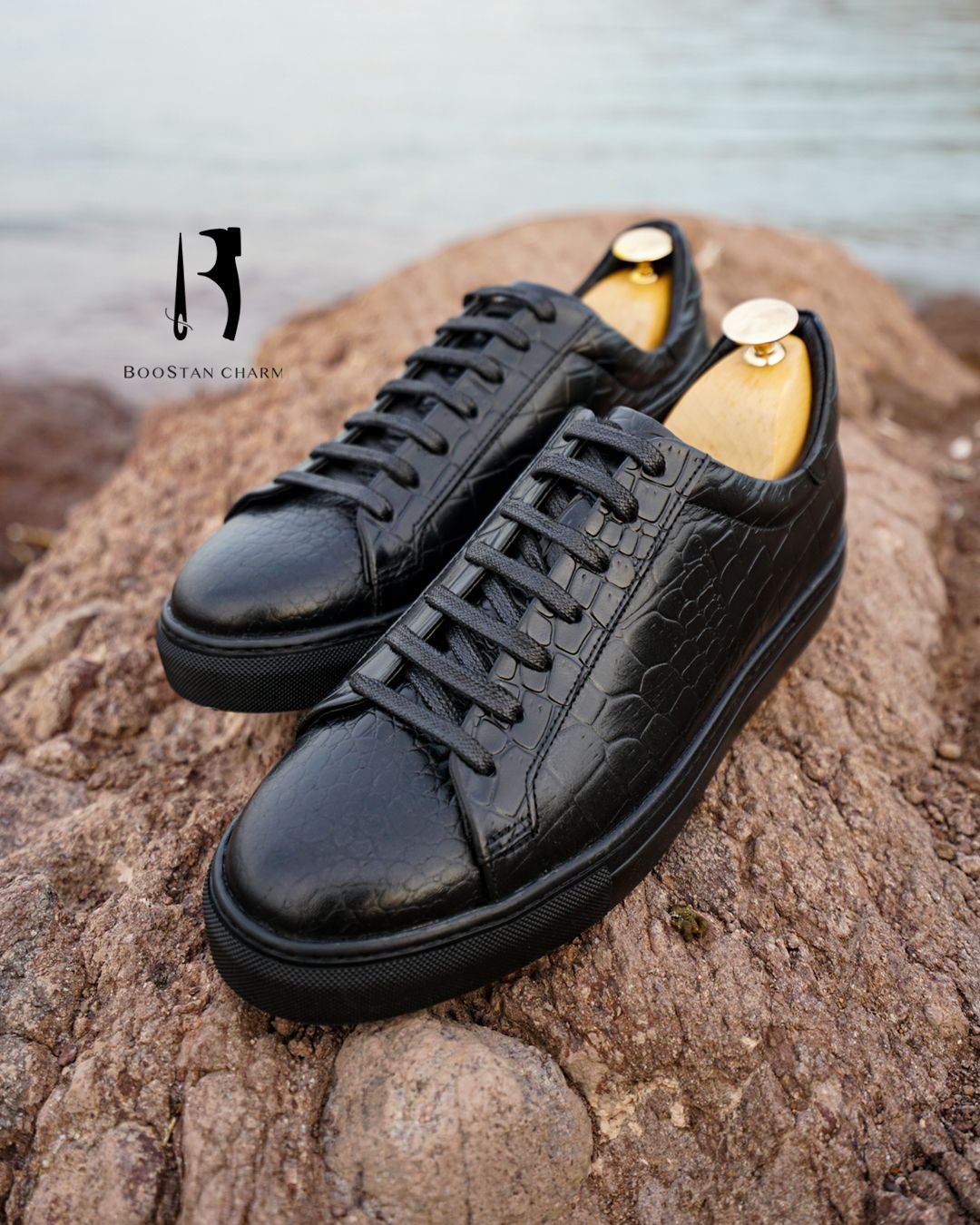
Which Leather Is Best for Shoes? A Complete Guide to Choosing High-Quality Leather
Choosing the right leather is the most important step in making durable, comfortable, and well-shaped shoes. Whether you produce handmade or industrial footwear, understanding different types of leather and their strengths and weaknesses helps you create higher-quality and longer-lasting products.
1. Full-Grain Cowhide — The Best Choice for Premium Shoes
Full-grain leather is the highest-quality natural leather. Its surface remains minimally processed and develops a beautiful patina over time.
Advantages:
- Extremely durable
- Breathable
- Natural, premium appearance
Best for:
Formal shoes, leather boots, luxury handmade shoes
2. Top-Grain Cowhide — A Professional Choice for Mass Production
This leather is slightly processed and has a more uniform appearance.
Advantages:
- Durable
- Holds shape well and can be easily finished
Best for:
Men’s dress shoes, loafers, high-quality sneakers
3. Nubuck & Suede — Soft, Modern, and Popular
Both are made from the inner layers of the hide and have a velvety texture.
Advantages:
- Soft and lightweight
- Modern look
Best for:
Sneakers, casual shoes, lightweight boots
Note: Requires protection from water.
4. Buffalo Leather — Strong for Heavy Use
Buffalo leather has a rougher grain and is tougher compared to cowhide.
Best for:
Work boots, hiking shoes, outdoor footwear
5. Goat Leather — Lightweight for Elegant Shoes
Goat leather is soft and flexible.
Best for:
Women’s shoes, comfort shoes, delicate styles
Conclusion
If you want the highest quality:
- Full-grain → for luxury shoes
- Top-grain → for high-quality mass production
- Suede/Nubuck → for modern designs
- Buffalo → for durable, heavy-use footwear
- Goat → for lightweight, elegant styles
Leave a comment